Introduction: Why Cashflow Matters More Than Ever
The business environment for UK SMEs has changed significantly.
Higher inflation and interest rates, pressure on household incomes and business investment, and ongoing economic and geopolitical uncertainty can feel overwhelming for many SME owners.
As discussed in our article “Small Business in a Riskier World: 6 Ways to Survive Bad Times” , small businesses are more exposed to external shocks than ever before but lack larger businesses’ resources to weather the storm.
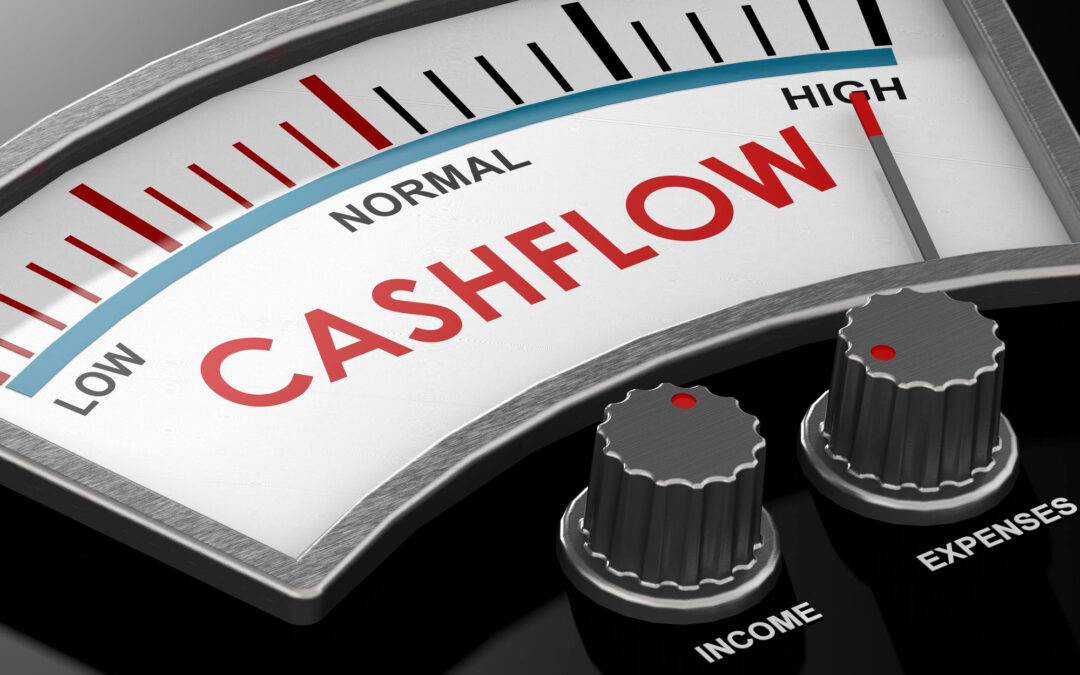
We identified 6 ways to survive bad times. We already covered the first of those – strategy – in Business Strategy for SMEs: How to Stay Competitive in an Uncertain Economy. This article explores the second topic: cash flow management, which is not just a finance function but a core strategic discipline critical to your business's survival.
Why Cashflow Matters More Than Ever
“Revenue is vanity. Profit is sanity. Cash is reality.”
Our article “6 Common Start-Up Mistakes Small Business Owners Should Avoid” offers useful insights into how poor cash flow management (and much else) can undermine an otherwise viable business. The good news is that the 6 Common Mistakes can be avoided, including poor cash flow management.
Small businesses are particularly exposed to timing mismatches between cash inflows and outflows. Many profitable businesses fail not because they run out of profit, but because they run out of cash.
Economic stress typically shows up through:
- Slower or more volatile sales
- Customers delaying payments or defaulting
- Rising input costs (energy, wages, materials)
- Reduced access to bank funding
These pressures compound. Cash flow is where they meet, and where good businesses often get into severe difficulties, sometimes even folding altogether.
Cashflow and Decision-Making: Pricing as a Practical Example
Cash flow directly informs pricing decisions in ways that are often underestimated.
Consider a simple example: a business offers customers 60-day payment terms. That effectively means the business is financing its customers for two months.
Now consider two pricing options:
- Option A: Standard price with 60-day terms
- Option B: 3–5% discount for payment within 7 days
From a profit perspective, Option A may appear superior. From a cash flow perspective, Option B may be far more valuable.
Early cash:
- Reduces reliance on overdrafts or borrowing
- Lowers interest costs
- Improves liquidity and resilience
- Provides optionality for reinvestment or contingency
In uncertain times, a slightly lower margin with faster cash collection can be strategically superior to a higher margin with delayed payment.
Practical Cashflow Management Solutions: a Shortlist
Typical solutions include:
- Faster invoicing
- Chase late payments
- Reduce excess stock
- Renegotiate supplier payment terms
- Control costs
- Maintain a cash buffer
- Arrange credit facilities before they are needed. Banks are generally more willing to support businesses before a cash crisis develops than during one.
- Prepare cash flow forecasts. A rolling 13-week cash flow forecast can provide early warning of potential cash shortages and allow management time to take corrective action.
The Human Factor: Behaviour Under Pressure
Cash flow management is not just technical; it is behavioural. Many SME owners procrastinate and delay difficult actions such as:
- Chasing overdue payments
- Cutting discretionary costs
- Seeking advice early
Strong cashflow management requires discipline and organisation, willingness to act early, and clear communication.
Internal Organisation: The Hidden Enabler of Cashflow
Business owners should regularly monitor key indicators such as debtor days, creditor days, gross profit margins and available cash reserves. These measures often provide early warning signs of pressure before problems become visible in the bank account.
Good systems improve cash flow, such as:
- Automated invoicing
- Document management to reduce disputes
- Diary systems for chasing payments
- Real-time financial visibility
Think about whether your business is doing any or all of the above. The less administration you must do, the more you can focus on your customers.
The Role of AI and Technology in Cash Management
AI is not the answer to everything, but it can support:
- Cashflow forecasting
- Automated receivables management
- Expense optimisation
- Fraud detection
AI can help improve visibility and efficiency, but it should support rather than replace management oversight, professional judgement and sound financial decision-making.
Final Thoughts: Cash is King
Technology, forecasting tools and AI can all improve visibility over cash flow, but no system can replace sound business judgement. Cash flow forecasting is only valuable if the assumptions behind it are realistic and regularly reviewed. In a rapidly changing business environment, business owners should use financial information as a guide to decision-making rather than relying solely on automated outputs. Professional advice and experience remain important when interpreting the numbers and deciding what action to take.
Ultimately, cash flow management is not a luxury; it’s a necessity, as highlighted in “Small Business in a Riskier World”, SMEs that focus on cash flow, strategy, risk management, stress testing and resilience are far more likely to survive and succeed.
Call to Action
For an insight into financial planning, we recommend “Cash Flow Management: A Modern Approach for Small Businesses”.
If you would like support with:
- Cashflow management
- Business strategy for your SME
- Financial planning and forecasting
- Risk and resilience planning
Our team specialises in helping small, family-run UK SME businesses navigate uncertain conditions. Our testimonials are from real-life businesspeople such as yourself. Please get in touch for an initial discussion.
Ready to Find Out How Financially Healthy Your Business Really Is?
Take our Business Health Check and discover the opportunities, risks and next steps that could help you build a stronger, more profitable and sustainable business.